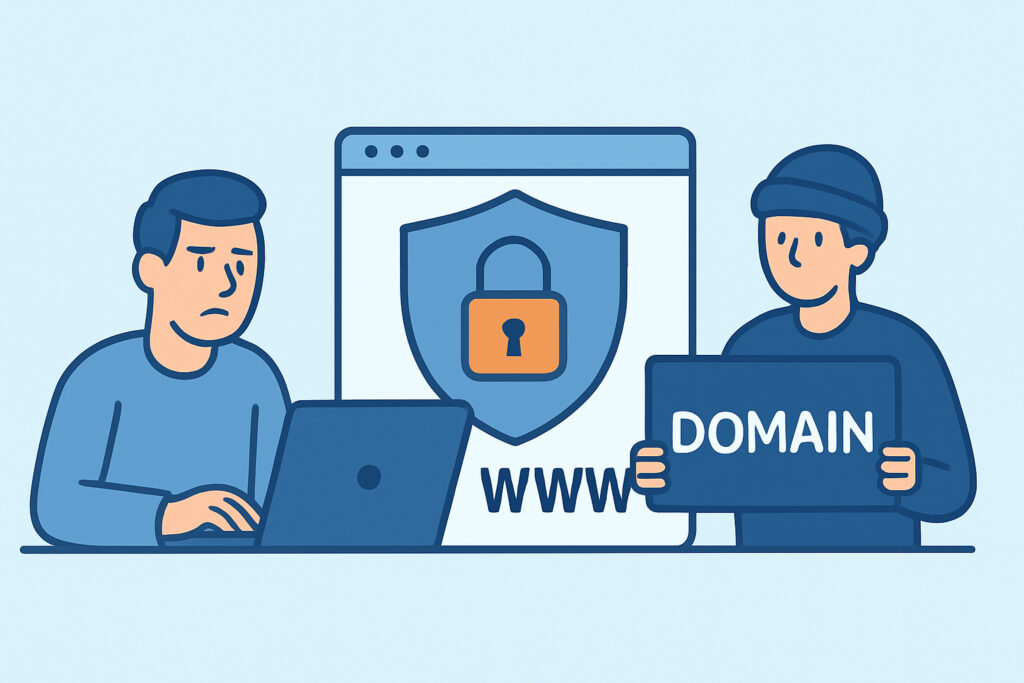
WHOIS privacy is one of those settings most domain owners enable without a second thought – and for good reason. Protecting personal contact details from spam and data harvesters seems like common sense. But for businesses, the relationship between WHOIS privacy, domain ownership transparency, and online reputation is more complicated than most brand managers realize. This article covers the specific ways WHOIS privacy settings can silently work against your digital reputation – and what to do about it.
What WHOIS Records Reveal About Your Domain
Every registered domain has a WHOIS record – a publicly queryable database entry that lists registrant name, contact email, registration date, and other ownership details. When privacy protection is disabled, this information is visible to anyone who checks.
For individual bloggers or small hobby sites, privacy protection is a straightforward win. For businesses operating at any meaningful scale, however, what your WHOIS record says – or doesn’t say – sends a credibility signal that many brand managers overlook.
The Credibility Gap WHOIS Privacy Creates
When a potential customer, journalist, or business partner looks up your domain and finds “Privacy Redacted” or a proxy email from a registrar service, an immediate question follows: who actually owns this?
For scam sites and phishing operations, WHOIS privacy is standard equipment. That’s not a coincidence – security-conscious users know it. Legitimate businesses with hidden ownership details can inadvertently position themselves alongside domains that have something to hide.
Domain reputation scoring systems factor ownership transparency into their trust assessments. A domain with concealed registrant data may score lower than a comparable domain with verifiable business ownership, even if both are entirely legitimate.
The Myth: WHOIS Privacy Is Always Good for Your Brand
The common assumption is that privacy protection is purely beneficial – it stops spam, prevents data harvesting, and keeps contact details off scraper lists. All of that is true.
The myth is that this protection has no cost to your reputation. In practice, fully hidden WHOIS data reduces trust in several distinct scenarios: B2B buyers running due diligence before a procurement decision, journalists trying to verify who’s behind a press release, and security researchers investigating a spam complaint or deliverability issue.
In each case, the inability to verify domain ownership raises doubts that accurate, visible registration details would instantly resolve. The fix isn’t necessarily removing privacy protection entirely – it’s understanding when transparency works in your favor.
Domain Ownership History and What It Exposes
WHOIS privacy doesn’t erase history. Historical WHOIS data is archived by multiple services, and significant changes in ownership, registrar, or contact details over time create a visible trail that reputation tools will flag.
A domain that changed hands three times in four years, or one that spent time under a privacy shield before suddenly displaying a business name, carries a different credibility profile than a domain with stable, consistent ownership since registration. Domain age and history directly influence how credible your business appears to both algorithms and human evaluators.
This matters especially for businesses that acquired an aged domain for SEO benefit, rebranded under a new legal entity, or took over a dormant competitor’s domain. In each scenario, ownership history may show inconsistencies that surface in reputation checks without any explanation attached.
How Brand Impersonators Exploit Privacy Settings
There’s a second dimension that goes beyond your own domain’s WHOIS settings. Bad actors registering lookalike or typosquatting domains almost always enable WHOIS privacy immediately – it delays detection and makes takedown requests harder to process.
When a business has no monitoring in place, these hidden-ownership imitation domains can operate undetected for weeks. They harvest credentials, intercept customer traffic, or run phishing campaigns against people who trust your brand name. Understanding how brand impersonation through domain abuse works is the first step toward detecting it early.
Monitoring for newly registered domains that resemble your brand name – and checking their WHOIS privacy status – is a direct way to catch this threat before customers are affected.
What a Domain Ownership Audit Should Cover
A thorough domain reputation review should include several WHOIS-related checks. None require deep technical knowledge, but they need to happen consistently.
Registrant consistency: Does the name, organization, and contact email in your WHOIS record match your current business identity? Outdated details from a previous owner or agency are a common friction point.
Privacy toggle logic: Is privacy enabled because of a deliberate business decision – or because it was the registrar’s default at signup? Many businesses have never revisited this setting since the domain was first registered.
Historical ownership gaps: Have there been periods where your domain showed different ownership details, registrar transfers, or unexplained privacy switches? These appear in historical WHOIS databases and influence trust assessments.
Lookalike domain monitoring: Are newly registered domains mimicking your brand name appearing with hidden ownership? This is often the first visible indicator of an active impersonation campaign.
Frequently Asked Questions
Does WHOIS privacy affect Google search rankings?
Google has stated it does not use WHOIS data directly as a ranking signal. However, domain trust indicators that correlate with ownership transparency – such as blacklist status, domain age, and registration history – do influence how security and spam detection systems assess a domain, which can indirectly affect visibility and deliverability.
Is it safe to remove WHOIS privacy for a business domain?
For businesses, displaying accurate organizational contact details – rather than personal home addresses – is generally safe and supports credibility. The spam risk is real but manageable with a dedicated domain contact address. The larger risk is leaving outdated or inaccurate registrant data publicly visible, which creates its own set of trust problems.
How often should businesses review their WHOIS records?
At minimum, review registrant details whenever the business changes its name, legal entity, primary contact, or registrar. Beyond that, automated monitoring that checks domain health at frequent intervals – rather than weekly or monthly snapshots – will surface registration anomalies, blacklist appearances, or new lookalike domains much faster than manual checks allow.
Summary
WHOIS privacy is not a simple on/off decision for businesses. The same setting that protects a private individual from spam can quietly erode trust signals for an established brand. Keeping registrant data accurate, consistent, and appropriate for your business context – while actively watching for lookalike domains with hidden ownership – is a more complete approach than defaulting to full privacy and never revisiting it.
The real risk isn’t that someone will find your domain’s contact email. It’s that a reputation check returns results that make your legitimate business look less trustworthy than a competitor who thought more carefully about what their domain ownership profile communicates.