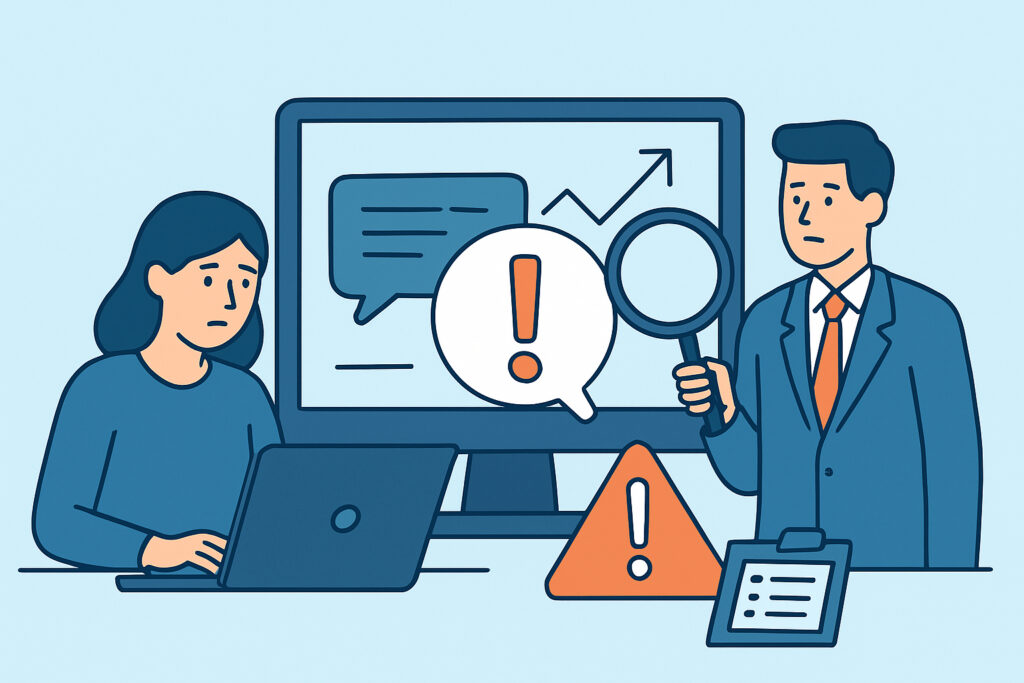
When a reputation crisis hits, every minute matters – and real-time monitoring is the difference between containing damage quickly and watching it spiral out of control. This article explores how immediate detection and response capabilities transform crisis management from reactive damage control into proactive brand protection.
Traditional reputation management often relies on periodic checks or manual monitoring, leaving businesses vulnerable during the critical first hours when negative content spreads fastest. Real-time advantage in reputation crisis management means having automated systems that detect threats as they emerge, not days or weeks later when the damage has already spread across platforms.
Speed Determines Crisis Outcome
Digital crises follow predictable patterns, but their severity depends entirely on response speed. A negative review that goes unaddressed for 24 hours can generate dozens of additional complaints as frustrated customers pile on. A fake review that stays live for a week can influence hundreds of purchasing decisions before removal.
Consider a scenario where a disgruntled employee posts damaging claims about company culture on multiple review platforms simultaneously. With hourly monitoring, brand managers receive alerts within 60 minutes and can begin response protocols immediately. Without real-time detection, that same incident might go unnoticed for days while it spreads across social media and influences potential customers and job candidates.
The mathematical reality is stark: online reputation threats typically double their impact every 6-8 hours during the first 48 hours. Early crisis detection systems that operate in real-time compress this timeline dramatically, often containing issues before they gain momentum.
Common Monitoring Speed Myths
The biggest misconception about crisis monitoring is that daily or weekly checks provide adequate coverage. Many business owners believe reputation threats develop slowly, giving them plenty of time to respond. This assumption proves costly when dealing with coordinated attacks, viral negative content, or technical security issues that immediately impact operations.
Another persistent myth suggests that real-time monitoring creates information overload, flooding managers with unnecessary alerts. Properly configured systems use intelligent filtering to distinguish between minor fluctuations and genuine threats, sending immediate notifications only for critical issues while summarizing less urgent changes in regular reports.
Some businesses assume that real-time monitoring only benefits large enterprises or high-profile brands. In reality, smaller companies often face proportionally greater damage from reputation crises because they lack the brand equity to absorb negative impacts. A single major incident can devastate a local business that lacks real-time detection and response capabilities.
Technical Components of Real-Time Detection
Effective real-time reputation monitoring requires sophisticated technical infrastructure that most businesses cannot build internally. The system must simultaneously track mentions across review platforms, social media, news sites, forums, and search results while filtering noise from genuine threats.
Modern monitoring systems use multiple detection methods running in parallel. Keyword tracking identifies direct brand mentions and variations, while sentiment analysis algorithms flag unusual negative spikes even when specific terms aren’t mentioned. Image recognition technology can detect logo usage or visual brand elements in posts that text-based monitoring might miss.
Hourly monitoring frequency provides the optimal balance between timely detection and system efficiency. More frequent checks often produce diminishing returns while consuming unnecessary resources, while less frequent monitoring creates dangerous gaps during which crises can escalate.
The technical challenge extends beyond simple content detection. Real-time systems must also monitor domain security issues, email deliverability problems, and technical SEO factors that can indicate coordinated attacks or security breaches affecting brand reputation.
Building Response Workflows
Real-time detection only provides value when paired with equally fast response capabilities. Businesses need predetermined workflows that activate automatically when specific threat types are detected, eliminating decision delays during critical early hours.
Response workflows should include escalation paths based on threat severity. Minor negative reviews might trigger automated acknowledgment messages and assignment to customer service teams, while major crises activate emergency response protocols involving senior management and external specialists.
Documentation becomes crucial during real-time crisis response. Systems should automatically capture screenshots, archive threatening content, and create audit trails for each response action. This documentation proves essential for legal proceedings, insurance claims, or post-crisis analysis.
Staff training ensures that real-time alerts translate into effective action. Team members need clear guidelines for threat assessment, response authority levels, and communication protocols. Regular drills help identify workflow gaps before actual crises occur.
Measuring Real-Time Impact
The effectiveness of real-time reputation monitoring shows up in multiple metrics beyond simple response speed. Time-to-resolution decreases dramatically when issues are caught early, often preventing escalation entirely rather than just responding faster to major incidents.
Customer sentiment scores provide leading indicators of real-time monitoring success. Businesses with effective early detection systems typically maintain more stable sentiment baselines because negative trends are addressed before they influence broader customer perceptions.
Revenue impact measurements reveal the true value of real-time capabilities. Companies that resolve reputation issues within the first few hours typically experience 60-70% less revenue impact compared to those responding after 24-48 hours. Revenue correlation with online reputation demonstrates why speed matters financially.
Search engine visibility changes offer another measurement dimension. Real-time monitoring helps prevent negative content from gaining search ranking momentum, maintaining positive search result profiles that would be much more expensive to repair after damage occurs.
Integration With Broader Security
Real-time reputation monitoring works most effectively when integrated with comprehensive digital security monitoring. Technical threats like DNS blacklisting, malware infections, or email deliverability problems often precede or accompany reputation attacks.
Brand impersonation attempts frequently combine technical deception with reputation manipulation, using fake websites or social media profiles to spread negative content while appearing legitimate. Integrated monitoring systems can detect these coordinated attacks more effectively than isolated reputation monitoring.
Crisis response teams benefit from unified dashboards that display reputation metrics alongside technical security indicators, providing complete situational awareness during incident response. This integration helps distinguish between isolated reputation issues and broader attacks requiring different response strategies.
Frequently Asked Questions
How quickly should businesses expect to detect reputation threats with real-time monitoring?
Most genuine real-time systems detect new threats within 1-2 hours of publication across major platforms. Some high-priority sources like major review sites or news outlets can trigger alerts within 15-30 minutes. Detection speed varies based on platform APIs and content indexing schedules.
What types of reputation threats require immediate response versus those that can wait?
Immediate response is critical for fake reviews, coordinated negative campaigns, security-related reputation threats, and high-visibility negative content on major platforms. Less urgent issues include isolated negative reviews from verified customers, minor social media complaints, and general brand mentions without specific accusations.
Can real-time monitoring prevent all reputation crises?
Real-time monitoring significantly reduces crisis severity and duration but cannot prevent all reputation issues. Its primary value lies in early detection and rapid response capabilities that minimize damage rather than eliminating all negative content. Prevention requires broader reputation management strategies beyond just monitoring.
Real-time reputation monitoring transforms crisis management from reactive damage control into proactive brand protection. The speed advantage compounds over time, as businesses that consistently respond quickly build stronger stakeholder relationships and more resilient brand reputations. In today’s digital environment, the question isn’t whether you can afford real-time monitoring – it’s whether you can afford to operate without it.