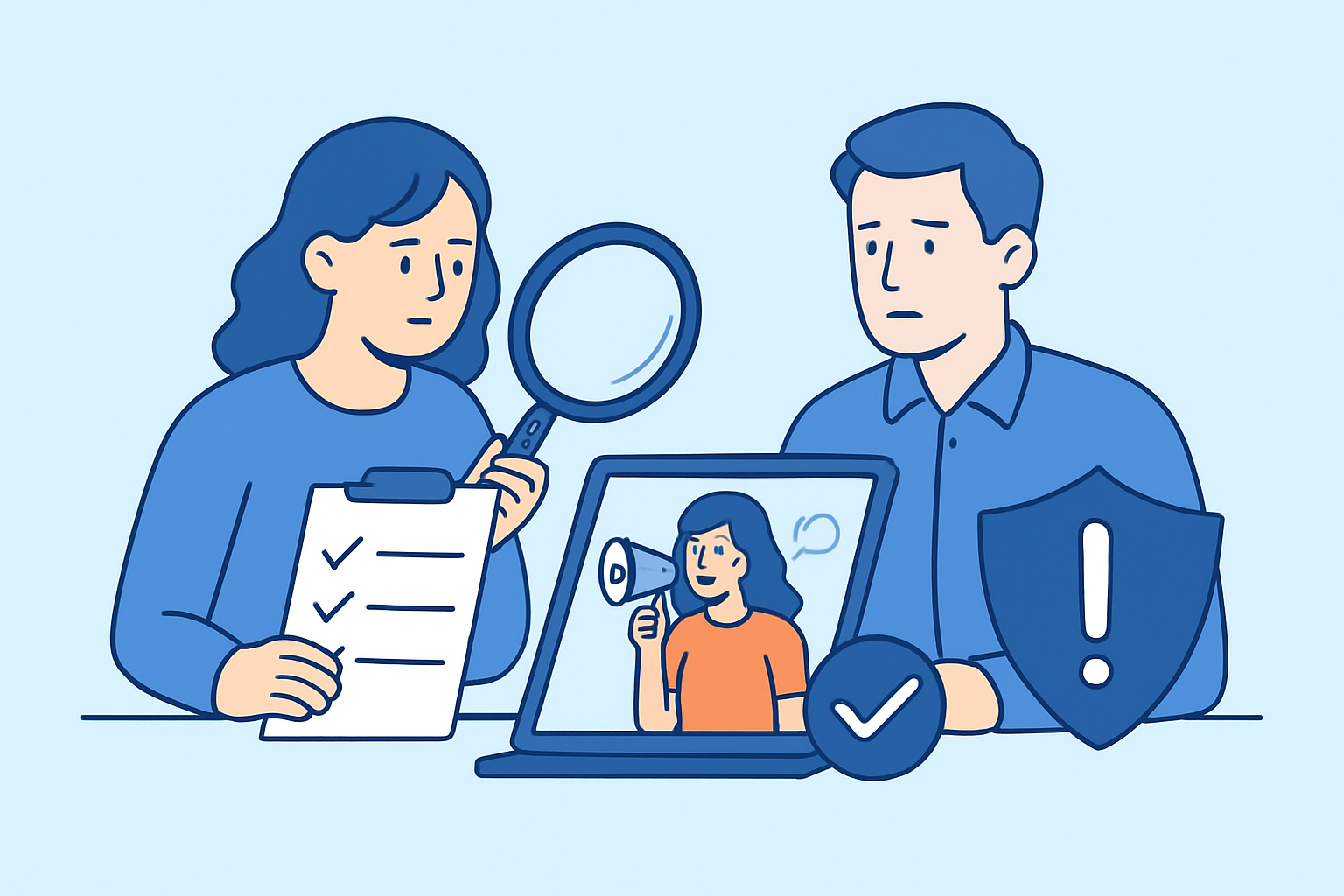
Influencer partnerships can put a brand in front of exactly the audience it wants, but every partnership also hands a piece of brand reputation to someone outside the company’s direct control. That trade-off is why vetting influencer risk has become as important as vetting the campaign creative itself, and why brands that skip this step tend to find out the hard way what an unvetted partner can cost them.
A mid-size skincare brand once signed a creator with strong engagement numbers, only to discover three weeks into the campaign that the same creator had a two-year-old controversy resurface – old tweets mocking a customer demographic that happened to overlap heavily with the brand’s own audience. The campaign didn’t just underperform; it triggered comment sections full of screenshots and a noticeable dip in review sentiment on Trustpilot and Google within days. Nothing about the creator’s recent content had signaled a problem. The risk was buried in history nobody checked.
Why influencer vetting is harder than it looks
Follower counts and engagement rates are easy to verify. What’s harder is assessing the things that actually create reputational exposure: past controversies, inconsistent brand safety across previous partnerships, audience authenticity, and how a creator behaves when they’re not being paid to behave well.
Many brands treat vetting as a one-time checklist before signing a contract. That’s a mistake. An influencer’s history and current behavior both matter, and both can change after the ink is dry. A creator who was clean at signing can post something controversial mid-campaign, and the brand’s name is still attached to their feed the entire time.
The most common vetting mistakes
A few patterns show up again and again when influencer partnerships go wrong:
Relying only on the metrics the platform or the influencer’s agency provides, without independently checking engagement quality. Bought followers and comment pods can inflate numbers that look fine on the surface.
Skipping a content history review. Old posts, deleted-but-archived tweets, and past brand disputes rarely disappear completely – they resurface at the worst possible moment, usually screenshotted by someone else.
Ignoring audience overlap and sentiment. A creator can have real followers who simply dislike the brand category, which produces a technically successful post with a hostile comment section.
Treating the vetting process as brand-only. Reputational risk runs both directions – a struggling or controversial brand can also drag down a creator’s trust with their audience, which matters if the brand hopes to renew the relationship later.
Not planning for what happens after signing. A contract with no ongoing monitoring clause leaves the brand blind the moment the campaign goes live.
A practical vetting process
A workable approach usually covers five areas before anyone signs a contract:
First, content history. Review at least 12–18 months of posts across every platform the creator uses, not just the one the campaign targets. Look for pattern behavior, not just isolated incidents – one apology-worthy post is different from a recurring theme.
Second, controversy check. Search the creator’s name alongside terms like “controversy,” “backlash,” or “boycott.” Check whether any past brand partnerships ended abruptly or generated negative press.
Third, audience authenticity. Compare engagement rate against follower count for red flags, and look at comment quality rather than comment volume. Genuine audiences argue, joke, and ask questions; bot-driven ones repeat generic praise.
Fourth, values alignment. This goes beyond politics – it includes tone, humor style, and how the creator has handled criticism publicly in the past. A brand with a formal, trust-driven positioning (financial services, healthcare) has a much lower tolerance for edgy humor than a lifestyle or entertainment brand.
Fifth, contractual protections. Morality clauses, content approval rights, and a defined process for pausing or ending a partnership if reputational issues emerge mid-campaign. Contracts should specify response timelines, not just conditions for termination.
What to monitor after the partnership goes live
Vetting doesn’t end at signing – it shifts into ongoing monitoring for the length of the relationship. That means keeping an eye on the creator’s own channels for new controversy, tracking how the campaign content is actually performing in comments and shares rather than just impressions, and watching for spikes in negative sentiment or reviews that might trace back to the partnership. A brand that only reacts once a story is already trending on Reddit or Twitter has lost the early-warning window that makes crisis response manageable.
This is where many teams underestimate the workload. A single influencer post can generate reactions across several platforms simultaneously, and by the time someone manually checks Trustpilot, Google reviews, and social mentions, hours have often passed. Consistent, cross-platform monitoring across social media, review sites, and news mentions closes that gap far better than manual spot-checks.
Busting the myth: bigger reach means bigger risk
A common misconception is that only mega-influencers or celebrities carry real reputational risk, and that micro-influencers are inherently safer because their reach is smaller. In practice, smaller creators are often vetted less rigorously precisely because they seem lower-stakes, which means problems can go unnoticed for longer. A niche creator with a hyper-engaged, loyal audience can do just as much damage to a brand’s credibility within that specific community as a celebrity endorsement gone wrong does at scale – the audience is just narrower, not the intensity of the reaction.
Frequently asked questions
How far back should a brand check an influencer’s content history?
At minimum 12–18 months across all active platforms, though checking further back is worthwhile if the creator has been active for years or has previously been involved in any public dispute.
Should influencer monitoring continue after the campaign ends?
Yes, at least for a defined period afterward. Reputational fallout doesn’t always appear during the campaign window – a delayed controversy can still be linked back to the brand months later if the partnership was prominent.
What’s the fastest way to catch a problem early?
Cross-platform monitoring that tracks mentions, reviews, and social sentiment together, rather than checking each channel separately. Early crisis detection depends on catching the first wave of negative reaction before it compounds.
Influencer partnerships will keep expanding as a marketing channel because they work – but the brands that get burned are usually the ones that treated vetting as a formality rather than an ongoing part of reputation risk assessment. Building a repeatable vetting process, paired with monitoring that covers brand mentions across social platforms and fast-moving channels like TikTok, turns influencer marketing from a reputational gamble into a controlled, manageable risk.