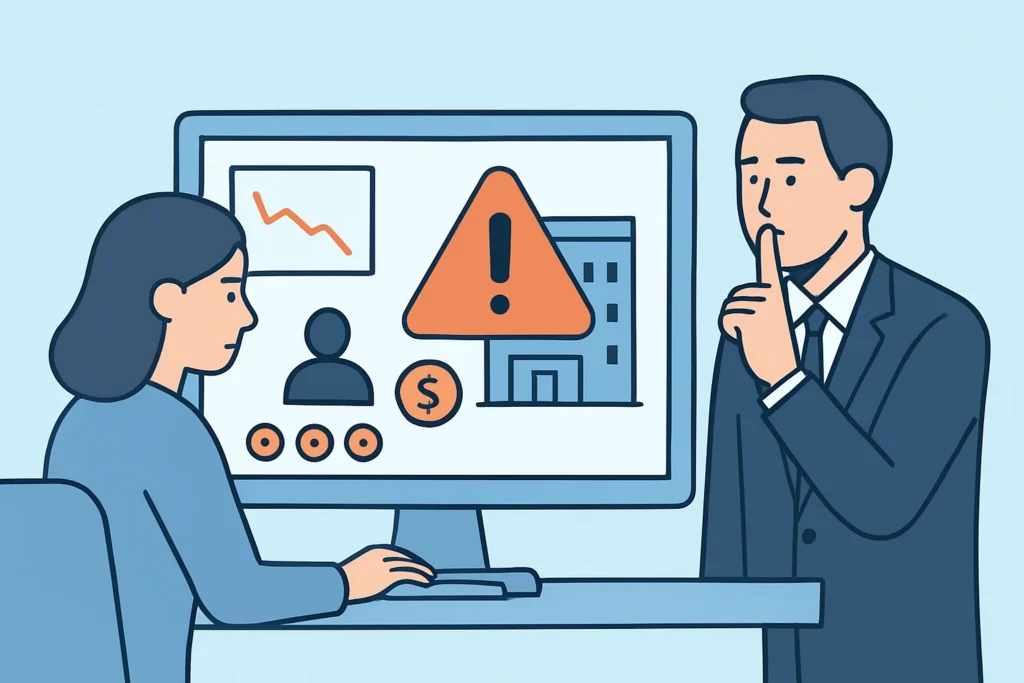
Competitor crisis monitoring is the practice of tracking when a rival brand runs into a data breach, product recall, outage or public scandal, and deciding what your own brand should do about it. For brand managers and marketing leads, the hard part is rarely spotting the crisis. It is resisting the urge to react. This article covers what to monitor, how to read a competitor’s crisis, and the specific situations where staying silent is the smartest move.
Why Competitor Crisis Monitoring Belongs in Your Reputation Plan
Most teams set up online reputation monitoring for their own brand and forget the rest of the market. That leaves a gap. When a competitor faces a wave of negative reviews or a damaging news story, the effects rarely stay inside one company.
Customers start asking whether the problem affects the whole category. Journalists look for comment from other players. Your sales team gets questions before marketing has even heard about the issue. Watching competitors gives you a few hours of warning, and you will need it.
Competitor monitoring also feeds a wider picture. If you already track competitor brand performance and market position, crisis signals belong in that same view: sudden drops in review ratings, spikes in negative brand sentiment, blacklisted sending domains, or a flood of complaints on Reddit and X.
Reading the Signals – Is It Their Crisis or the Category’s?
An experienced communications lead starts with one question. Is this a problem specific to the company, or one that could affect the whole industry?
A company-specific crisis might be a CEO scandal, a fraud allegation or a botched product launch. A category-wide crisis looks different: a breach at a shared payment processor, a regulatory investigation that targets a whole business model, or a vulnerability in widely used software. The July 2024 CrowdStrike outage, which Microsoft estimated affected about 8.5 million Windows devices, showed how one vendor’s failure quickly turns into questions for every company in the same space.
The distinction matters because the right response is opposite in each case. For a company-specific crisis, your default should be silence. For a category-wide one, your customers may need clear, factual reassurance from you, sometimes within 24-48 hours.
The Myth That a Competitor’s Crisis Is Your Opportunity
The most persistent misconception in this area is that a rival’s bad week is a chance to win market share through visible action. Discount codes, “switch to us” ads and smug social posts feel clever in the moment. They rarely age well.
Audiences read opportunism as disrespect, especially when real people have been harmed. A data breach means exposed customers. A food safety recall can mean people in hospital. Brands that jump in with promotional messaging often become part of the story, and screenshots of a tone-deaf post can circulate long after the original crisis has faded.
There is also a practical risk. The issue that hit your competitor today might hit you next quarter. Gloating creates a public record that will be quoted back to you.
Customers who leave a competitor during a crisis will find alternatives on their own. They compare reviews, read forums and ask peers. Your job is to be credible and visible when they look – not to chase them.
When to Stay Silent – and When Silence Is the Wrong Call
Silence is the right default when the crisis is clearly about one company’s conduct, when facts are still unclear, or when any comment could look like you are exploiting someone else’s misfortune. It is also wise when legal proceedings are under way. In the EU, comparative advertising is governed by Directive 2006/114/EC, and remarks that could be read as disparaging a competitor carry real legal risk. Financial services, healthcare and legal firms face extra scrutiny from regulators and professional bodies, so their bar for public comment should be even higher.
Silence becomes the wrong call in a few specific cases. Speak up when your own customers are directly affected or worried, for example when you use the same compromised vendor. Speak up when a journalist incorrectly names your brand in the story. And speak up when attackers use the confusion to launch phishing campaigns that impersonate several brands in your sector, which is common after high-profile breaches.
Even then, the message should go to your customers, not about your competitor. Facts only, no names, no comparisons.
A Step-by-Step Response Process
A seasoned brand lead follows the same sequence every time, which removes emotion from the decision:
1. Confirm the facts. Verify the story through at least two independent sources before anyone internal reacts.
2. Classify the crisis. Company-specific or category-wide? Write the answer down in one sentence.
3. Check your exposure. Do you share vendors, infrastructure, suppliers or a similar product? Ask IT and procurement within the first 2-4 hours.
4. Freeze promotional activity. Pause scheduled social posts and ads that could look insensitive, especially anything that mentions security, safety or reliability.
5. Brief customer-facing teams. Give sales and support a short internal note: what happened, what to say if asked, and what never to say.
Having holding statements prepared before a crisis happens makes steps 4 and 5 much faster. A pre-approved line such as “We are aware of reports affecting the industry and are reviewing our own systems as a precaution” can go out in minutes if a customer asks.
A Realistic Scenario
Picture a mid-sized e-commerce platform. On a Tuesday morning, a direct competitor announces that customer payment data was exposed through a third-party checkout plugin. Within an hour, Reddit threads appear, and the competitor’s Trustpilot rating starts sliding as angry reviews pile up.
The marketing team’s first instinct is to push a “your data is safe with us” campaign. The head of communications stops it. IT checks and finds that the same plugin vendor is used on a legacy subdomain. That single discovery changes everything – the platform now has its own exposure to manage.
Instead of a campaign, the team patches the subdomain, sends a short factual email to merchants and briefs support. No mention of the competitor anywhere. Two weeks later, industry press covers the incident, and the platform is described as one of the companies that “responded quickly and responsibly”. That reputation is worth far more than any opportunistic ad.
Common Mistakes to Avoid
The first mistake is letting sales act alone. Account executives often send “worried about X? Let’s talk” emails within hours. These get forwarded, screenshotted and posted. Your crisis policy needs to cover sales outreach, not just public channels.
The second mistake is trusting the first signal. A spike in negative mentions might be a coordinated review attack or a misread headline, not a real crisis. Teams that react to unverified social chatter sometimes amplify a story that would have died on its own.
The third is measuring the wrong thing afterward. Teams track whether they won customers from the competitor and ignore whether their own brand sentiment changed. If you follow share of voice against your closest competitors, check whether your mentions rose for the right reasons or because people were criticizing your response.
For small teams under 10 people, the risk is different. There is often no formal approval process, so one enthusiastic founder post can define the brand. A simple rule – no public comment on competitor incidents without a second person’s sign-off – solves most of this.
FAQ
Should we ever mention a competitor by name during their crisis?
Almost never. The only real exception is correcting a factual error that wrongly connects your brand to the incident, and even then the statement should focus on your facts, not theirs.
How quickly should we decide whether to respond?
Aim for a classification and exposure check within 2-4 hours. Any customer-facing message, if needed, usually follows within 24-48 hours once facts are confirmed.
Is it acceptable to adjust ad spend while a competitor is in crisis?
Quietly maintaining your normal spend is fine. Bidding aggressively on the competitor’s brand name or crisis-related keywords tends to be noticed and can backfire.
Final Advice on Watching Rivals Without Reacting
Competitor crisis monitoring is valuable because it gives you time – time to check your own exposure, brief your teams and avoid mistakes. Most of the time, the best use of that time is preparing quietly and saying nothing in public. Write your decision rules before the next incident, include sales in the policy, and remember that the crisis you are watching today could become your own tomorrow.