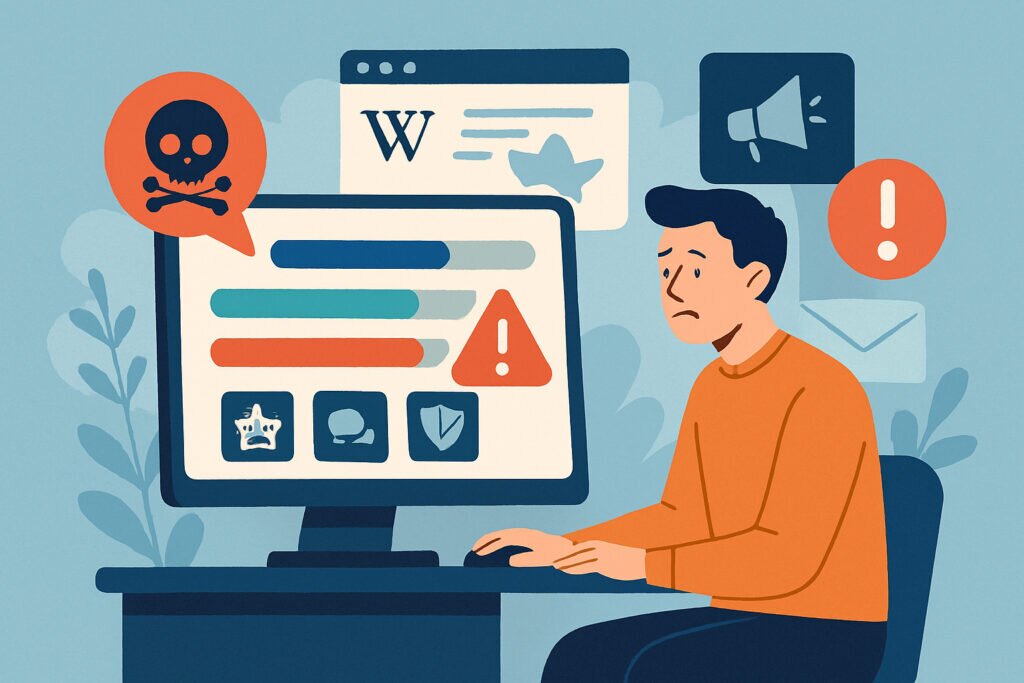
Every business owner I’ve talked with has that same nightmare scenario: waking up to find their company’s name trending on social media for all the wrong reasons. The worst part? By the time they notice, the damage is already spreading like wildfire. But here’s what most people don’t realize about early crisis detection: nearly every reputation crisis shows warning signs days or even weeks before it explodes. The companies that survive are the ones who catch these signals early.
Why Most Businesses Miss the Early Warning Signs
Think about how most companies monitor their reputation. Someone checks Google reviews once a week, maybe scrolls through social media mentions when they remember, and assumes that silence means everything is fine. This approach worked maybe ten years ago, but today’s digital landscape moves too fast for manual monitoring.
I learned this the hard way with one of my earlier ventures. We had a technical issue that affected a handful of customers on a Friday evening. Nothing major, we thought. By Monday morning, three separate discussion threads were debating whether our entire service was reliable. The frustration had morphed from a specific bug into questions about our competence. We eventually contained it, but those first 72 hours cost us several potential enterprise clients who had been evaluating us.
The problem wasn’t that we didn’t care about reputation. We just weren’t watching the right places at the right time.
The Three Pillars of Early Crisis Detection
Technical Security as Your First Line of Defense
Most people think reputation monitoring starts with reviews and social media. Actually, it starts with technical security. When your domain appears on a DNS blacklist or your email deliverability suddenly drops, these aren’t just IT problems. They’re reputation threats in disguise.
I’ve seen companies lose major deals because their emails started landing in spam folders, and they didn’t notice for weeks. The prospect thought they were being ignored. By the time the technical issue was fixed, the relationship was damaged. Monitoring SPF, DKIM, and DMARC records isn’t exciting work, but it prevents these silent reputation killers.
Brand and Marketing Signals
The second pillar involves tracking how people talk about your brand across platforms. This goes beyond counting positive versus negative mentions. You need to understand sentiment shifts, identify emerging narratives, and spot patterns in customer service interactions. Learning how to measure brand sentiment across digital channels gives you the data to act before small frustrations become public outrage.
Here’s a specific example: if you notice your average response time to customer inquiries increasing, even by 30 minutes, that’s often the canary in the coal mine. People start complaining to friends before they complain publicly. By the time public complaints appear, you’re already behind.
Online Reputation Monitoring
This is what most people think of first, but they usually implement it wrong. It’s not enough to track reviews on major platforms. You need to monitor niche forums, Reddit threads, industry-specific review sites, and even employee review platforms like Glassdoor. A pattern of complaints from former employees often predicts customer service issues before customers start complaining publicly.
Creating Your Early Warning System
Building an effective early detection system doesn’t require a massive budget, but it does require consistency. Here’s how to approach it systematically.
Set Up Automated Monitoring
Manual checking doesn’t work because humans are inconsistent. You need automated systems running checks hourly or at minimum daily. This includes technical scans for security issues, blacklist monitoring, social media listening, and review tracking across all relevant platforms.
The key is setting proper alert thresholds. If you get alerted for every single mention, you’ll develop alert fatigue and miss the important signals. Configure your system to flag sudden changes, negative sentiment spikes, or technical issues that actually impact user experience.
Define Your Critical Metrics
Not all reputation signals matter equally for your business. A B2B software company needs to watch G2 and Capterra obsessively, while a local restaurant should focus on Google and Facebook reviews. An e-commerce brand needs to monitor product review sites and return rate discussions.
Identify the five to ten sources that actually influence your customer decisions and monitor those intensely. Everything else can be checked less frequently.
Create Response Protocols
Early detection only helps if you act on the information. Before a crisis hits, document exactly who responds to what type of issue and how quickly. If a negative review appears, does marketing handle it or customer service? If there’s a technical security flag, who gets notified immediately? Understanding how crisis management starts with early warning systems helps you build these protocols before you actually need them.
I keep a simple spreadsheet with issue types, responsible parties, response time targets, and escalation paths. When something does go wrong, nobody wastes time figuring out process.
Common Myths About Early Crisis Detection
Myth: “We’ll know if something’s wrong because customers will tell us”
Reality: Most unhappy customers just leave. They don’t complain to you directly. They tell their friends, post in online communities, or simply choose a competitor next time. By the time you hear directly from customers, you’ve likely lost others who never spoke up.
Myth: “Small issues don’t matter”
Reality: Every major reputation crisis I’ve witnessed started small. A single negative review that went unanswered. A minor technical glitch that affected a few users. The issue itself wasn’t the problem – the lack of response allowed it to grow.
Myth: “We can fix our reputation after a crisis”
Reality: Rebuilding reputation is exponentially harder than protecting it. Prevention through early detection is always more cost-effective than damage control.
FAQ
What are the first signs of a reputation crisis?
The earliest signals are usually technical – email deliverability drops, blacklist appearances, or sudden traffic quality changes. On the public side, watch for a spike in negative sentiment on review platforms, unusual activity in Reddit or forum threads mentioning your brand, and increasing customer service response times. Any single signal might be noise, but two or more appearing within the same week usually indicate a real problem forming.
How quickly should I respond to a potential reputation threat?
For critical issues like security flags, blacklist appearances, or viral negative content, you should respond within one to two hours. For emerging patterns like a cluster of negative reviews or growing complaint threads, aim for same-day acknowledgment with a resolution plan within 24 hours. A genuine response within two hours often turns critics into advocates, while the same response three days later just adds fuel to the fire.
Can a small business afford effective reputation monitoring?
Yes. Automated reputation monitoring tools have made early crisis detection accessible to businesses of all sizes. The real cost isn’t the monitoring itself – it’s the damage from not monitoring. A single undetected reputation issue can cost far more in lost revenue than a year of automated monitoring. Start with the five to ten sources that matter most for your industry and expand from there.
Making It Actually Work
The difference between companies that successfully catch threats early and those that don’t usually comes down to three factors: automation, consistency, and appropriate response speed.
Automate everything possible so that monitoring happens whether you remember or not. Check your dashboards consistently, preferably at the same time daily. And when issues appear, respond within hours, not days.
The businesses thriving today aren’t necessarily those with perfect reputations. They’re the ones who spot problems early, address them transparently, and continuously improve based on what they’re hearing. Your reputation isn’t built in moments of crisis – it’s built in how you handle the small signals that appear long before anyone else notices there’s a problem.