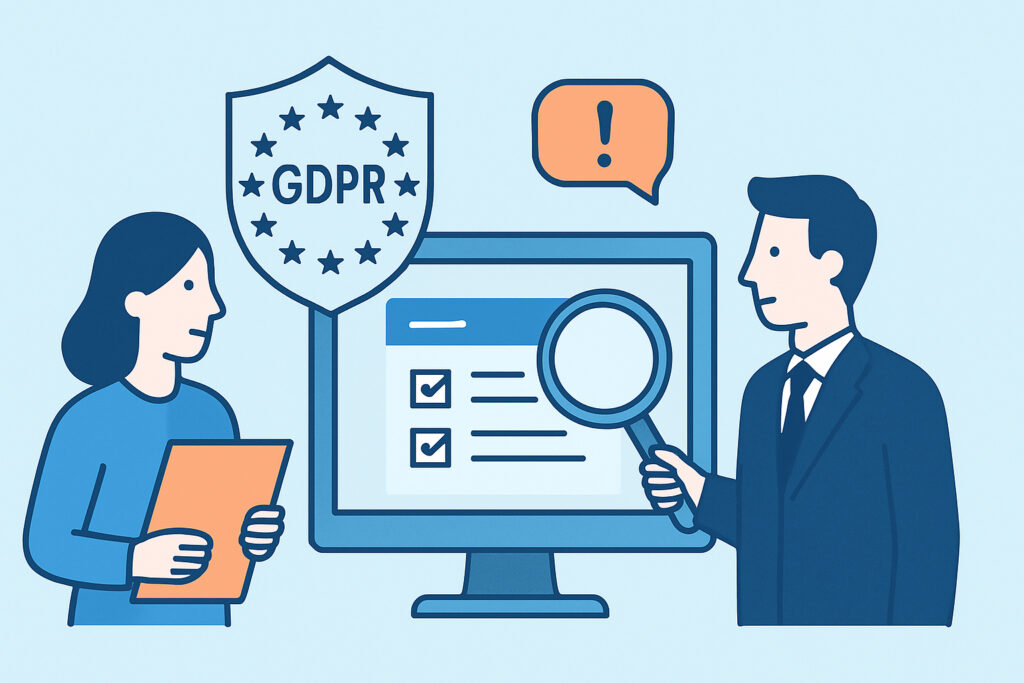
GDPR and reputation data compliance is one of those topics that sounds straightforward until you actually start running monitoring tools and realize how many data points you’re collecting about real people. Whether you’re tracking customer reviews, monitoring brand mentions, or scanning for negative press coverage, your monitoring practices may touch personal data in ways that create real obligations under the General Data Protection Regulation.
What GDPR Actually Covers in the Context of Brand Monitoring
Many businesses assume GDPR only applies to customer databases and email lists. That’s a costly assumption. The regulation covers any processing of personal data – and in the context of reputation monitoring, “personal data” surfaces in more places than most marketers expect.
A reviewer’s name on TrustPilot is personal data. A Reddit username tied to a complaint thread may qualify, depending on how identifiable the person is. Social media mentions that tag individual users or contain profile information fall within scope. The moment your monitoring tool begins collecting, storing, or processing this kind of information, GDPR obligations apply.
The core principles are the same as elsewhere: purpose limitation, data minimisation, storage limits, and transparency. What changes is how those principles apply to the specific context of reputation monitoring.
The Legal Basis Question – And Why It Matters More Than You Think
To process personal data lawfully under GDPR, you need a valid legal basis. For most reputation monitoring activities, this typically falls under one of two options: legitimate interests or consent.
Legitimate interests is the most commonly used basis for monitoring publicly available information – reviews, social mentions, news articles. The logic is that a business has a genuine interest in knowing what’s being said about it publicly, and that interest is generally proportionate and doesn’t override individuals’ privacy rights when the data is already public.
But this doesn’t mean anything goes. You still need to conduct a Legitimate Interests Assessment (LIA) to document your reasoning. And you need to ensure you’re not using the data for purposes beyond the original scope – for example, using a reviewer’s identity to target them with ads would quickly fall outside what legitimate interests covers.
Data Minimisation – The Principle Most Tools Get Wrong
One of the biggest compliance gaps in reputation monitoring is collecting far more data than necessary. A tool that scrapes and stores every detail about a negative reviewer – their profile history, location, post frequency, linked accounts – is likely violating the data minimisation principle, even if that reviewer publicly shared all of it.
The test isn’t “is this data publicly available?” but “do I actually need this data to achieve my monitoring purpose?” If your goal is to understand brand sentiment and spot reputation threats early, you generally don’t need to build a profile of who each reviewer is as a person. You need the review content, the rating, the platform, and the timestamp.
Automated reputation monitoring tools that are built with privacy in mind aggregate and analyse content without storing unnecessary personal identifiers. This architecture isn’t just GDPR-friendly – it’s also more scalable and reduces the risk of data breaches affecting individuals’ information.
Retention Limits – How Long Can You Keep Monitoring Data?
GDPR requires that personal data is not kept longer than necessary for its purpose. For reputation monitoring, this creates a practical question: how long is “long enough”?
There’s no universal answer, but a reasonable framework is this: raw monitoring data that contains personal identifiers should be subject to a defined retention schedule. Aggregated insights and trend data – which don’t tie back to identifiable individuals – can typically be retained indefinitely.
In practice, this means distinguishing between two categories:
– Identifiable records (specific reviews linked to named individuals): subject to retention limits, typically 12–24 months unless there’s a specific legal reason to keep them longer
– Aggregated metrics (average sentiment score, review volume trends, platform comparisons): can be retained as part of standard business records
Document your retention policy and apply it consistently. Regulators don’t expect perfection – they expect evidence of thoughtful, documented decision-making.
Busting the “Public Data Is Fair Game” Myth
The single most common misconception about GDPR and reputation data is this: if someone posted something publicly, you can use it however you want.
This is simply not true. The GDPR does not have a “public domain” exception. The fact that data is publicly accessible does not eliminate your obligations as a data controller processing it. Purpose limitation still applies – you must process it for a purpose compatible with why it was originally published. A person who wrote a review on Google did not consent to having their name and comments aggregated into a commercial intelligence platform or shared with third parties.
This has practical implications for how monitoring tools are structured, what they collect, and especially what they do with the data downstream.
Cross-Border Monitoring and Data Transfers
If your business operates in the EU, monitors data about EU residents, or uses cloud-based tools with servers outside the EU, data transfer rules come into play. Transferring personal data to countries without an adequate level of protection requires additional safeguards – Standard Contractual Clauses (SCCs) being the most common mechanism.
When evaluating a reputation monitoring tool, check where data is processed and stored. A reputable provider will be transparent about this and will have appropriate transfer mechanisms in place. Choosing the right monitoring tool means asking not just about features, but about data handling practices, server locations, and whether the provider acts as a data processor under GDPR – and if so, whether they have a signed Data Processing Agreement (DPA) available.
Building a Compliant Monitoring Practice – A Practical Approach
Getting GDPR-compliant reputation monitoring in place doesn’t require a legal department. It requires clarity on a few key questions and then consistent documentation.
Start with this checklist:
1. Define your purpose: What are you actually monitoring for? Brand sentiment, crisis signals, review volume? Document this clearly.
2. Identify your legal basis: For most public content monitoring, legitimate interests is appropriate. Conduct and document an LIA.
3. Apply data minimisation: Ensure your tool collects what’s needed for that purpose, not everything it can find.
4. Set retention schedules: Distinguish between identifiable records and aggregated data. Apply limits to the former.
5. Check your tool’s compliance posture: Does the provider offer a DPA? Where is data processed? Are SCCs in place if needed?
6. Update your privacy notice: If your monitoring activities involve processing data about individuals who interact with your brand, your privacy policy should reflect this.
Conducting a regular online presence audit is also good practice – it helps you understand exactly what data your monitoring stack is touching and gives you an opportunity to review whether your approach still aligns with your documented purposes.
Frequently Asked Questions
Does GDPR apply to monitoring publicly available reviews and social mentions?
Yes. GDPR applies to the processing of personal data regardless of whether that data is publicly accessible. If your monitoring activities involve collecting or analysing content that can be linked to an identifiable individual – such as a named reviewer or a social media profile – GDPR obligations apply. The legal basis of legitimate interests is typically appropriate for this type of monitoring, provided a Legitimate Interests Assessment is conducted and documented.
Do I need a Data Processing Agreement with my reputation monitoring tool?
If the tool processes personal data on your behalf – which most reputation monitoring tools do to some extent – then yes, a DPA is required under GDPR Article 28. This agreement sets out what data is processed, for what purpose, under what conditions, and what security measures are in place. Reputable providers will have a standard DPA available on request or already linked in their terms of service.
How long can I keep data collected through reputation monitoring?
There’s no fixed legal time limit, but the data minimisation and storage limitation principles require that personal data is not retained longer than necessary. For identifiable records tied to individual reviewers or users, a retention period of 12–24 months is a reasonable starting point. Aggregated, anonymised trend data can generally be kept indefinitely as it no longer qualifies as personal data under the regulation.
The Bottom Line on GDPR and Reputation Monitoring
GDPR compliance for reputation monitoring is not about avoiding monitoring – it’s about monitoring responsibly. Establish a clear legal basis, collect only what you need, set retention limits, and choose tools that treat data handling as seriously as you do. Businesses that build these habits into their monitoring processes are not only reducing legal risk – they’re building the kind of operational discipline that supports long-term reputation health.